Soldier Hollow Nordic Center recently installed a new snow storage facility to preserve snow until next season. This football-field sized pile of snow serves as a proof-of-concept facility to help the venue safeguard against more warm winters, especially with the 2034 Games looming large on the horizon. KSL covered the installation and story, available here: Utah testing snow storage technique at Soldier Hollow ahead of 2034 Games – KSLTV.com
Category: News
ABC 4 Utah: Utah Olympic officials share key insights from Milano Cortina Winter Games
The Utah Olympic Legacy Foundation recently hosted its first Correspondent Day at Soldier Hollow, celebrating the successes of Team USA at Milano Cortina while also looking ahead to Utah 2034. ABC 4 Utah covered key takeaways from the event: Utah Olympic officials share key insights from Milano Cortina Winter Games.
Salt Lake Tribune: 5 lessons Utah 2034 Olympics organizers learned from the Milan-Cortina Winter Games
The Salt Lake Tribune recently covered the US delegation in the Olympic Observer program at the Milan Cortina Games. Many of the observers came from the Utah 2034 Organizing Committee, several of whom are UOLF staff. We were grateful for the opportunity to learn from Milan Cortina as part of UOLF’s preparation for hosting the Games again in eight years.
Read the article here: Utah officials outline 5 takeaways from 2026 Milan-Cortina Olympics
Biathlon at the Olympic Winter Games: Endurance, Accuracy, and Mental Control
Biathlon is one of the most demanding disciplines in the Olympic Winter Games, requiring athletes to combine elite cross-country skiing with precise rifle shooting under extreme physical strain. Rooted in military history and endurance sport, biathlon tests not only speed and strength, but composure, strategy, and mental resilience. At the Olympic Winter Games Milano Cortina 2026, biathlon competition will take place at one of the sport’s most respected venues, the Anterselva Biathlon Arena.
Biathlon originated in Scandinavia in the 18th century, evolving from military patrol exercises into organized competition. The sport appeared at the first Olympic Winter Games in 1924 and became a permanent part of the Olympic program in 1960. Women’s events were formally regulated in 1980 and have been included in the Olympic Games since 1992.
What Is Biathlon?
Biathlon combines two disciplines: cross-country skiing and rifle shooting. Athletes ski multiple laps of a course using freestyle technique, stopping at a shooting range during each lap to fire at five targets positioned 50 meters away.
Shooting is conducted in two positions: prone and standing. Targets are smaller in the prone position and larger when standing, reflecting the increased difficulty of shooting while upright. Missed targets result in penalties, either requiring athletes to ski a 150-meter penalty loop or, in the individual event, adding one minute to the athlete’s overall time.
The defining challenge of biathlon is the transition between exertion and control. Athletes must ski at high intensity, then rapidly calm their breathing and heart rate to shoot accurately under pressure.
Competition Events at Milano Cortina 2026
The biathlon program at the 2026 Winter Games will include 11 medal events:
Men’s 20km Individual
Women’s 15km Individual
Men’s 10km Sprint
Women’s 7.5km Sprint
Men’s 12.5km Pursuit
Women’s 10km Pursuit
Men’s 15km Mass Start
Women’s 12.5km Mass Start
Men’s 4 x 7.5km Relay
Women’s 4 x 6km Relay
Mixed Relay 4 x 6km
Each race format presents unique tactical demands. Sprint races include two shooting stages, while pursuit and mass start events include four. Relay events introduce teamwork and allow athletes three extra rounds per shooting stage, which must be loaded one at a time, increasing both physical and mental pressure.
The Venue: Anterselva Biathlon Arena
All biathlon events at Milano Cortina 2026 will be held at the Anterselva Biathlon Arena in the Antholz Valley of northern Italy. The venue is internationally recognized for its altitude, challenging terrain, and demanding course profile.
Anterselva has hosted numerous Biathlon World Cup events and served as the official Olympic test venue in 2025. The course features sustained climbs, technical descents, and a shooting range that rewards discipline and consistency.
Its combination of history, altitude, and infrastructure makes it a defining stage for Olympic biathlon competition.
Team USA and a Historic Opportunity
Deedra Irwin
Deedra Irwin heads to Milano Cortina 2026 as one of the most proven and competitive athletes in the U.S. women’s biathlon program. Selected through objective criteria, Irwin has become a consistent force for Team USA thanks to her skiing speed, race strength, and ability to contend in the sport’s most demanding formats, positioning her as a major factor in individual events and a key piece of the U.S. relay effort.
Margie Freed
Margie Freed earns her place on the 2026 U.S. Olympic Team through objective qualification and arrives as a rising athlete in the American biathlon pipeline. With improving international results and the ability to contribute across multiple race formats, Freed adds depth and momentum to a U.S. women’s roster that continues to push toward historic Olympic breakthroughs.
Luci Anderson
Luci Anderson qualifies for the Olympic Team through objective criteria after proving herself in the selection process in Antholz. As part of the next generation of Team USA biathlon talent, Anderson brings growing confidence, endurance, and competitive potential to the roster, with the ability to make an impact both individually and as part of the relay squad.
Joanne Reid
Joanne Reid joins the 2026 U.S. Olympic Biathlon Team through discretionary selection, bringing veteran experience and steady international presence into Milano Cortina. Known for her composure, technical skill, and reliability across the biathlon calendar, Reid strengthens the team’s overall depth and provides valuable experience in high-pressure Olympic racing.
Campbell Wright
Campbell Wright heads into Milano Cortina 2026 as Team USA’s top men’s medal prospect and one of the biggest breakout names in international biathlon. Selected through objective qualification, Wright has delivered world-class results and proven he can contend with the very best in the sport, making him a legitimate podium threat in events like sprint, pursuit, and mass start as the U.S. looks to chase its first-ever Olympic biathlon medal.
Maxime Germain
Maxime Germain earns his Olympic nomination through objective criteria and brings strong team value to the U.S. men’s roster. With steady performances and the ability to contribute across multiple formats, Germain adds depth to Team USA’s lineup and will be a key piece in building competitive relay results on the Olympic stage.
Paul Schommer
Paul Schommer returns to the Olympic Winter Games after qualifying objectively and continues to provide dependable veteran strength for the U.S. men’s team. With experience, consistency, and the ability to deliver solid performances on the World Cup circuit, Schommer brings stability and leadership to a roster that is aiming to push the U.S. program into breakthrough Olympic results.
Sean Doherty
Sean Doherty earns his spot on the 2026 Olympic roster through discretionary selection, adding experience and race toughness to the U.S. men’s team. Doherty has been a long-time presence within Team USA biathlon and brings the kind of reliability and grit that is critical in Olympic competition, especially in relay formats where every clean shooting stage can shift the standings.
Chloe Levins
Chloe Levins is named the alternate for the U.S. women’s team and remains one of the most promising athletes in the program. Known for her shooting ability and rising international potential, Levins stays firmly in the Olympic picture and could become a key contributor if the roster changes prior to final approval.
Jake Brown
Jake Brown is named the alternate for the U.S. men’s team and remains a strong part of Team USA’s depth heading into Milano Cortina. With valuable international experience and continued development, Brown gives the U.S. program a ready option as the team prepares for final Olympic confirmation.
Biathlon at Milano Cortina 2026
When biathlon competition begins at the 2026 Winter Games, fans can expect races defined by constant tension. Every missed shot carries immediate consequences, every climb tests endurance, and every shooting stage demands absolute focus.
With a strengthened Team USA program and a generation of athletes delivering international-level results, Milano Cortina 2026 represents a significant opportunity for American biathlon—one built on years of development, resilience, and steady progress.
In upcoming articles, we’ll explore individual race formats, shooting strategy, and follow Team USA athletes as they prepare for competition in Anterselva.
In biathlon, speed sets the pace—but accuracy shapes history.
Long Track Speed Skating at the Olympic Winter Games: Endurance, Precision, and Power on Ice
Long track speed skating is one of the most enduring and technically demanding sports in the Olympic Winter Games. Combining sustained power, precise technique, and mental discipline, speed skating challenges athletes to maintain efficiency and focus over repeated laps of the ice. At the Olympic Winter Games Milano Cortina 2026, long track speed skating will once again be a centerpiece of competition at the Milano Speed Skating Stadium.
With roots tracing back to the late 1600s, when skaters traveled across frozen rivers and lakes, speed skating has evolved into a sport defined by marginal gains and exacting standards. It has been part of the Olympic program since 1924 and remains a true test of endurance and consistency.
What Is Long Track Speed Skating?
Long track speed skating is raced on a 400-meter oval, the same length as an Olympic running track. Athletes compete against the clock rather than directly against one another, skating in pairs and switching lanes each lap to ensure equal distance.
Each race is decided purely by time. There are no judges and no style points—success depends on pacing, efficient stride mechanics, and the ability to sustain speed across multiple laps.
Speed skaters use specialized skates equipped with clap blades, a hinged blade system that allows the blade to remain in contact with the ice longer during each stride. This technology increases efficiency but also places greater demands on balance, timing, and control.
Competition Events
Women compete in individual distances ranging from 500 meters to 5,000 meters, while men race distances up to 10,000 meters. Sprint events reward explosive power and acceleration, while longer distances demand disciplined pacing and endurance.
In addition to individual time trials, the Olympic program includes two multi-skater events.
The mass start features all competitors beginning at the same time and racing together. While speed remains essential, positioning, awareness, and tactical decision-making play a significant role in determining outcomes.
The team pursuit consists of teams of three skaters racing in elimination-style heats. Teams start on opposite sides of the track, and the final time is recorded when the third skater crosses the finish line, emphasizing coordination and teamwork.
The speed skating program at Milano Cortina 2026 will include 14 medal events, evenly split between men and women.
The Venue: Milano Speed Skating Stadium
All long track speed skating events at the 2026 Winter Games will take place at the Milano Speed Skating Stadium. The indoor venue is designed to provide consistent ice conditions, eliminating wind and weather variables that can affect performance.
Indoor ovals place a premium on technical execution. Clean cornering, smooth lane changes, and steady pacing are essential, as even minor inefficiencies can significantly impact final times.
The controlled environment ensures races are decided by preparation, precision, and execution rather than external conditions.
Team USA Athletes to Watch in Long Track Speed Skating
Jordan Stolz
Jordan Stolz heads to Milano Cortina 2026 as the biggest name in American speed skating and one of the most dominant athletes in the sport worldwide. Still early in his Olympic career, Stolz has already separated himself as a generational talent, qualifying in the 500m, 1000m, 1500m, and mass start, and arriving in Italy as a top medal contender across multiple distances with a résumé built on World Cup victories, world titles, and historic consistency.
Erin Jackson
Erin Jackson returns to the Olympic stage as Team USA’s premier sprint skater and a proven champion in the women’s 500m. Already an Olympic gold medalist and one of the most respected athletes in the sport, Jackson qualified in both the 500m and 1000m and enters Milano Cortina 2026 as a serious podium threat, combining world-class speed with the confidence of someone who has already delivered on the biggest stage.
Brittany Bowe
Brittany Bowe brings elite veteran experience to Milano Cortina 2026 as one of the most accomplished American speed skaters of her generation. A four-time Olympian and two-time Olympic medalist, Bowe qualified in the 1000m and 1500m and will also be a key part of the women’s team pursuit squad, entering the Games with the kind of consistency and championship-level composure that has defined her career.
Casey Dawson
Casey Dawson returns to the Olympic Winter Games as one of Team USA’s strongest long-distance athletes and a critical piece of the men’s team pursuit unit. Dawson qualified for the 1500m, 5000m, 10,000m, and team pursuit, and he enters Milano Cortina with major momentum after breaking national records and delivering a breakthrough World Cup gold, positioning himself as one of the most dangerous American endurance skaters in years.
Emery Lehman
Emery Lehman brings world-class experience and leadership to the U.S. roster as he heads into his fourth Olympic Games. Originally a hockey player before transitioning to speed skating, Lehman qualified in the 1500m and men’s team pursuit and remains one of the core members of a U.S. pursuit program that has rewritten expectations over the last several seasons with elite international performances and record-setting speed.
Ethan Cepuran
Ethan Cepuran heads to Milano Cortina 2026 as a key contributor across two of the most strategically demanding events in speed skating. Qualifying in both the mass start and the men’s team pursuit, Cepuran adds strength, depth, and tactical racing ability to a U.S. team that has become one of the most consistent pursuit squads in the world and is pushing toward Olympic podium potential.
Mia Manganello
Mia Manganello enters Milano Cortina 2026 as Team USA’s top women’s mass start contender and one of the most reliable tactical racers on the roster. Qualified in the mass start and women’s team pursuit, Manganello brings a powerful combination of pack-racing instincts, endurance, and late-race speed that makes her a legitimate threat in one of the most unpredictable and dramatic events on the Olympic schedule.
Long Track Speed Skating at Milano Cortina 2026
When long track speed skating begins at the 2026 Winter Games, fans can expect races decided by fractions of a second, built on years of disciplined training and technical refinement. Every lap rewards efficiency, control, and endurance.
In upcoming articles, we’ll explore individual speed skating events in greater detail, break down race strategy by distance, and follow Team USA athletes as they continue their path toward Milano Cortina 2026.
On the oval, precision is everything—and every stride counts.
Short Track Speed Skating at the Olympic Winter Games: Speed, Strategy, and Split-Second Decisions
Short track speed skating is one of the fastest and most unpredictable sports in the Olympic Winter Games. Raced on a tight oval where athletes compete directly against one another, the sport combines explosive speed with tactical awareness and quick decision-making. At the Olympic Winter Games Milano Cortina 2026, short track speed skating will deliver some of the most intense and dramatic moments of the competition at the Milano Ice Skating Arena.
Since becoming an official Olympic sport in 1992, short track has grown into a fan favorite, known for its close finishes, daring passes, and ever-present risk of contact on the ice.
What Is Short Track Speed Skating?
Short track speed skating is contested on a 111.12-meter oval, significantly smaller than the 400-meter track used in long track speed skating. Because of the tight turns, athletes spend most of the race skating on a curve, leaning sharply into each corner and often placing a gloved hand on the ice for balance.
Unlike long track, short track races are not timed time trials. Athletes race head-to-head in groups, advancing through a series of elimination rounds. Positioning, awareness, and split-second decisions play a major role, and races can change instantly due to contact, falls, or penalties.
Protective equipment is required, including helmets, padded suits, gloves, and cut-resistant gear. The boards around the track are padded to reduce injury, reflecting the high-speed, close-contact nature of the sport.
Competition Format and Events
Short track competitions at Milano Cortina 2026 will include nine medal events:
Women’s Events
- Women’s 500m
- Women’s 1000m
- Women’s 1500m
- Women’s 3000m Relay
Men’s Events
- Men’s 500m
- Men’s 1000m
- Men’s 1500m
- Men’s 5000m Relay
- Mixed Team Relay
In individual events, athletes compete in heats, with the top finishers advancing to quarterfinals, semifinals, and ultimately the A final, where medals are decided.
In the relays, teamwork and coordination are essential. The mixed team relay features teams of four athletes—two women and two men—who skate in a required alternating order, adding another layer of strategy to an already fast-paced event.
The Venue: Milano Ice Skating Arena
All short track speed skating events at the 2026 Winter Games will take place at the Milano Ice Skating Arena. The indoor venue provides a controlled environment with consistent ice conditions, allowing races to be decided by performance rather than weather.
The compact size of the short track brings spectators close to the action, making it easier to follow tactics, overtakes, and the physical demands of the sport. The arena setting amplifies the speed and intensity that define short track racing.
Team USA Athletes to Watch in Short Track Speed Skating
Team USA enters the Milano Cortina Olympic cycle with a strong short track program and a mix of experienced competitors and rising athletes.
Kristen Santos-Griswold
Kristen Santos-Griswold enters Milano Cortina 2026 as the leader of Team USA’s women’s squad and one of the most accomplished American short track skaters. The 2024–25 Crystal Globe champion, Santos-Griswold overcame a season marked by health challenges to earn multiple World Tour podium finishes and play a major role in Team USA’s relay medal performances, bringing proven speed, experience, and resilience into her Olympic campaign.
Corinne Stoddard
Corinne Stoddard returns for her second Olympic Games after the strongest season of her career, finishing runner-up overall on the World Tour in 2025. Stoddard collected eight individual medals on the circuit and helped power the United States to multiple relay podiums, making her one of the most reliable all-around athletes on the roster and a serious contender across both individual distances and relays.
Julie Letai
Julie Letai returns to the Olympic stage as a key part of Team USA’s relay strength and women’s team depth. After working through injuries over the last two seasons, Letai played an important role on the World Tour relay squad and contributed to the U.S. women’s relay success, bringing composure, experience, and stability to high-pressure racing environments.
Eunice Lee
Eunice Lee earns her second Olympic berth and remains an essential contributor to Team USA’s women’s relay system. After battling injuries in recent seasons, Lee returned to competition and helped strengthen U.S. relay performances on the World Tour, adding veteran presence and steady execution that will be critical in events where clean exchanges and positioning determine podium outcomes.
Andrew Heo
Andrew Heo returns for his second Olympic Games after delivering one of Team USA’s biggest breakthrough moments of the season: a gold medal in the men’s 500m on the World Tour. His win made him the first U.S. man in more than a decade to claim an international top-level individual victory, and he enters Milano Cortina as a dangerous sprinter capable of changing the pace of any race.
Brandon Kim
Brandon Kim will make his Olympic debut in Milano Cortina after finishing the season as the highest-ranked American man overall on the World Tour. After narrowly missing the 2022 team, Kim has surged into Olympic form with improved consistency and speed, including a U.S. national record in the 500m, making him a major factor in both sprint events and relay strategy.
Clayton DeClemente
Clayton DeClemente makes his Olympic debut as one of Team USA’s most dependable international performers and a major piece of the men’s middle-distance group. For the second consecutive World Tour season, he finished as the top-ranked American in the 1000m, while also leading the U.S. in the 1500m standings this year, giving Team USA valuable range across multiple events.
Kamryn Lute
Kamryn Lute becomes the youngest member of Team USA’s short track roster and will make her Olympic debut at Milano Cortina 2026. A national team athlete since 2022, Lute brings speed, poise, and breakout potential to the U.S. program as it looks to rebuild Olympic momentum and push back onto the podium.
Short Track Speed Skating at Milano Cortina 2026
When short track speed skating begins at the 2026 Winter Games, fans can expect high-speed racing defined by courage, precision, and constant motion. Every lap demands awareness, every pass carries risk, and every finish can be decided by fractions of a second.
In upcoming articles, we’ll take a closer look at individual short track distances, relay strategy, and how Team USA athletes prepare for one of the most demanding environments in Olympic sport.
On the short track, there is no room for hesitation—and no margin for error.
Timeline of Winter Sports Added to the Olympic Winter Games (1924–2026)
The Olympic Winter Games have evolved dramatically since their debut in 1924, reflecting changes in athletic innovation, technology, broadcast culture, and the Olympic Movement’s push for broader inclusion and mixed-gender formats. While several sports have been on the program since the very beginning, others arrived later as winter sport expanded globally—especially through freestyle disciplines and snowboarding.
This timeline focuses on when a sport (or major discipline/event) entered the Olympic Winter Games program, leading up to Milano Cortina 2026.
How this document is sourced: All historical information in this timeline is drawn from official International Olympic Committee publications, Olympics.com sport histories and Games program, and international sport federation records (FIL, FIS, ISU). Citations are provided in APA 7 format in the reference list below and apply to all entries unless otherwise noted.
1924 – Chamonix, France (First Olympic Winter Games)
Sports on the program at the first Winter Games:
- Bobsleigh
- Curling
- Figure Skating (had appeared earlier at the Summer Games)
- Ice Hockey (had appeared earlier at the Summer Games)
- Speed Skating
- Nordic Skiing (Cross‑Country Skiing, Ski Jumping, Nordic Combined)
1936 – Garmisch-Partenkirchen, Germany
Sport added to the Winter Games program:
- Alpine Skiing
1960 – Squaw Valley, USA
Sport added to the Winter Games program:
- Biathlon
1964 – Innsbruck, Austria
Sport added to the Winter Games program:
- Luge
1988 – Calgary, Canada
Disciplines introduced as demonstration competitions:
- Freestyle Skiing
- Short Track Speed Skating (demonstration)
1992 – Albertville, France
Disciplines added as official medal events:
- Moguls becomes a medal event
- Short Track Speed Skating becomes a medal event
1994 – Lillehammer, Norway
Discipline added:
- Aerials becomes a medal event
1998 – Nagano, Japan
Sports added:
- Snowboarding (Olympic debut; introduced with giant slalom and halfpipe)
- Curling (returns as a medal sport for the first time since 1924)
2002 – Salt Lake City, USA
Sport reintroduced / program expansion:
- Skeleton (reinstated as a permanent Olympic Winter sport)
2006 – Torino, Italy
New events introduced:
- Snowboarding (snowboard cross becomes an Olympic event)
- Biathlon (mass start becomes an Olympic event)
2010 – Vancouver, Canada
New event introduced:
- Freestyle Skiing (ski cross becomes an Olympic event)
2014 – Sochi, Russia
Major expansion of action-sport and team formats:
- Ski Slopestyle (men’s and women’s)
- Snowboard Slopestyle (men’s and women’s)
- Ski Halfpipe (men’s and women’s)
- Team Figure Skating (team event added)
2018 – PyeongChang, South Korea
New events introduced:
- Mixed Doubles Curling (Olympic debut)
- Snowboard Big Air (Olympic debut)
- Speed Skating Mass Start (Olympic debut)
2022 – Beijing, China
New events introduced (selected highlights):
- Women’s Monobob (bobsleigh event added)
- Mixed Team Aerials (freestyle skiing event added)
- Mixed Team Relay (short track speed skating event added)
2026 – Milano Cortina, Italy
New sport added:
- Ski Mountaineering (added to the Olympic Winter Games program: for the first time)
New events noted for Milano Cortina 2026:
- Women’s Doubles in Luge
- Women’s Individual Large Hill in Ski Jumping
- Mixed Team event in Skeleton
- Freestyle Skiing (dual moguls added to the Olympic program)
References (APA 7 format)
International Olympic Committee. (n.d.). Olympic Winter Games reference documents. IOC Olympic Studies Centre. https://olympics.com/ioc/olympic-studies-centre
International Olympic Committee. (n.d.). Alpine skiing at the Olympic Winter Games. Olympics.com. https://olympics.com/en/sports/alpine-skiing/
International Olympic Committee. (n.d.). Biathlon at the Olympic Winter Games. Olympics.com. https://olympics.com/en/sports/biathlon/
International Olympic Committee. (n.d.). Luge at the Olympic Winter Games. Olympics.com. https://olympics.com/en/sports/luge/
International Olympic Committee. (n.d.). Freestyle skiing at the Olympic Winter Games. Olympics.com. https://olympics.com/en/sports/freestyle-skiing/
International Olympic Committee. (n.d.). Short track speed skating at the Olympic Winter Games. Olympics.com. https://olympics.com/en/sports/short-track-speed-skating/
International Olympic Committee. (n.d.). Snowboarding at the Olympic Winter Games. Olympics.com. https://olympics.com/en/sports/snowboard/
International Olympic Committee. (n.d.). Curling at the Olympic Winter Games. Olympics.com. https://olympics.com/en/sports/curling/
International Olympic Committee. (n.d.). Skeleton at the Olympic Winter Games. Olympics.com. https://olympics.com/en/sports/skeleton/
International Olympic Committee. (2014). Sochi 2014 Olympic Winter Games official results and event programme. Olympics.com. https://olympics.com/en/olympic-games/sochi-2014
International Olympic Committee. (2018). PyeongChang 2018 Olympic Winter Games official results and event programme. Olympics.com. https://olympics.com/en/olympic-games/pyeongchang-2018
International Olympic Committee. (2022). Beijing 2022 Olympic Winter Games official results and event programme. Olympics.com. https://olympics.com/en/olympic-games/beijing-2022
International Olympic Committee. (2023). IOC approves ski mountaineering for Milano Cortina 2026. Olympics.com. https://olympics.com/ioc/news
International Olympic Committee. (2024). Milano Cortina 2026 sports and events programme. Olympics.com. https://olympics.com/en/olympic-games/milano-cortina-2026
International Luge Federation. (n.d.). History of luge at the Olympic Winter Games. FIL. https://www.fil-luge.org/en/inside-fil/history
International Ski and Snowboard Federation. (n.d.). FIS freestyle skiing and snowboarding Olympic history. FIS. https://www.fis-ski.com/
International Skating Union. (n.d.). Olympic figure skating and speed skating history. ISU. https://www.isu.org/
A Brief History of the Winter Olympic Games
The Winter Olympic Games are a celebration of athleticism, resilience, and humanity’s enduring relationship with snow and ice. From humble beginnings in the early 20th century to today’s global spectacle, the Winter Olympics have evolved alongside the sports, technology, and cultures that define them.
The Origins: Before the Winter Games Existed
Before the Winter Olympics officially existed, winter sports were included—somewhat awkwardly—within the Summer Olympic Games. Figure skating made its Olympic debut in 1908 in London, and ice hockey followed in 1920 at the Antwerp Games. These early inclusions made it clear that winter sports deserved a stage of their own.
At the same time, winter sport competitions were already thriving across Europe and North America, particularly in Nordic countries where skiing, skating, and ice sports were deeply rooted in everyday life.
1924: The First Winter Olympics
The first true Winter Olympics were held in Chamonix, France, in 1924, originally labeled the International Winter Sports Week. The event featured 16 nations, 258 athletes (only 11 of whom were women), and six sports:
- Bobsleigh
- Curling
- Ice hockey
- Figure skating
- Nordic skiing
- Speed skating
The success of the Chamonix Games led the International Olympic Committee (IOC) to retroactively recognize them as the first Olympic Winter Games, officially establishing the Winter Olympics as a recurring event.
Growth and Global Expansion
Throughout the 1930s and 1940s, the Winter Games grew steadily—despite interruptions caused by World War II, which led to the cancellation of the 1940 and 1944 Games.
After the war, the Winter Olympics became a powerful symbol of international unity and recovery. New nations joined, women’s participation increased, and more events were added, reflecting both innovation and tradition.
Notable milestones include:
- 1956 (Cortina d’Ampezzo): The first Winter Olympics broadcast on television.
- 1960 (Squaw Valley): Introduction of electronic timing and the debut of biathlon.
- 1980 (Lake Placid): The iconic “Miracle on Ice” hockey victory, one of the most famous moments in Olympic history.
New Sports, New Generations
As winter sports evolved, so did the Games. Snowboarding debuted in 1998, followed by freestyle skiing, skeleton, short track speed skating, and mixed-gender events. These additions helped attract younger audiences and reflect changing athletic cultures.
The Winter Olympics also became more global, with athletes from countries without traditional winter climates competing—and winning—on the world stage.
Separating Summer and Winter Games
Until 1992, the Summer and Winter Olympics were held in the same year. Beginning in 1994, the IOC staggered the Games so they would alternate every two years. This change allowed the Winter Olympics to gain greater visibility and focus, solidifying their identity as a major global sporting event.
Olympic Winter Games Milano Cortina 2026: A Guide to What’s Ahead
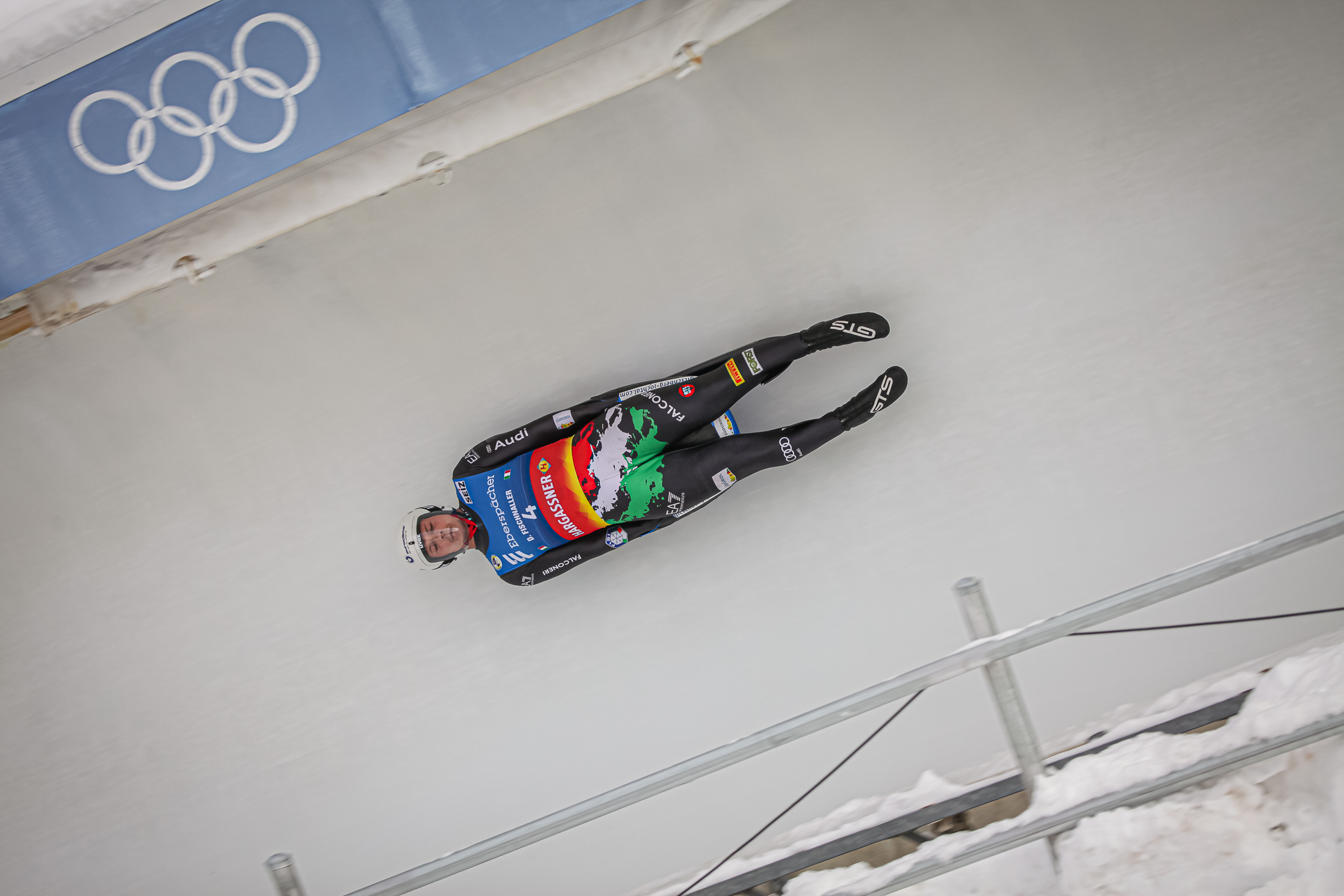
In February 2026, the world will once again turn its attention to the Olympic Winter Games—this time in the stunning alpine and urban landscapes of Milano Cortina, Italy. From historic city ice rinks to dramatic mountain venues carved into the Dolomites, Milano Cortina 2026 promises to be a Winter Games defined by tradition, innovation, and breathtaking competition.
At the Utah Olympic Legacy Foundation (UOLF), we believe the Olympic story doesn’t begin and end with medals. It lives in the events themselves—the sports, the rules, the athletes, and the years of preparation that lead to a single moment on the world stage. That’s why we’re launching a new article series to help you better understand where the Games are happening, how each event works, and which U.S. athletes to watch as the competition unfolds.
When Are the Milano Cortina 2026 Olympic Winter Games?
Competition at the Olympic Winter Games Milano Cortina 2026 is scheduled to begin on February 4, 2026, with the Opening Ceremony on February 6, and will conclude with the Closing Ceremony on February 22, 2026. Over those 19 days, athletes will compete for 116 medal events across a wide range of winter sports.
Where Are the Games Being Held?
Unlike past Games centered in a single host city, Milano Cortina 2026 is organized into four primary geographic clusters, each highlighting different sports and landscapes:
- Milano Cluster
Home to the Opening and Closing Ceremonies, as well as ice hockey, speed skating, figure skating, and short track speed skating.
- Valtellina Cluster
Featuring freestyle skiing and snowboarding in Livigno, ski mountaineering, and men’s alpine skiing on the iconic Stelvio course.
- Cortina Cluster
Hosting women’s alpine skiing on the Tofane slopes, curling, sliding sports (bobsled, skeleton, and luge), and biathlon in nearby Anterselva.
- Val di Fiemme Cluster
Showcasing Nordic sports, including ski jumping in Predazzo and cross-country skiing in Tesero.
This multi-venue approach reflects a growing emphasis on sustainability, legacy infrastructure, and regional identity—values that closely align with UOLF’s mission here in Utah.
What This Series Will Cover
In the coming weeks and months, this series will break down:
- Each Olympic winter sport and how it works
- What to watch for during competition
- Key rules, formats, and scoring systems
- U.S. athletes and storylines to follow
- How Olympic venues—past and present—shape athlete development and community impact
Whether you’re a lifelong winter sports fan or tuning in for the first time, our goal is to help you watch the Games with a deeper understanding and appreciation for the athletes, venues, and Olympic legacy behind every run, jump, and finish line.
Milano Cortina 2026 is more than a global event—it’s the next chapter in a century-long Olympic tradition. And here at UOLF, we’re proud to help connect that story to the athletes, communities, and future Olympians inspired by it.
Stay tuned as we dive into each sport, one event at a time.
What It Means to Be an Olympian, Part 2: The Value of Friendship
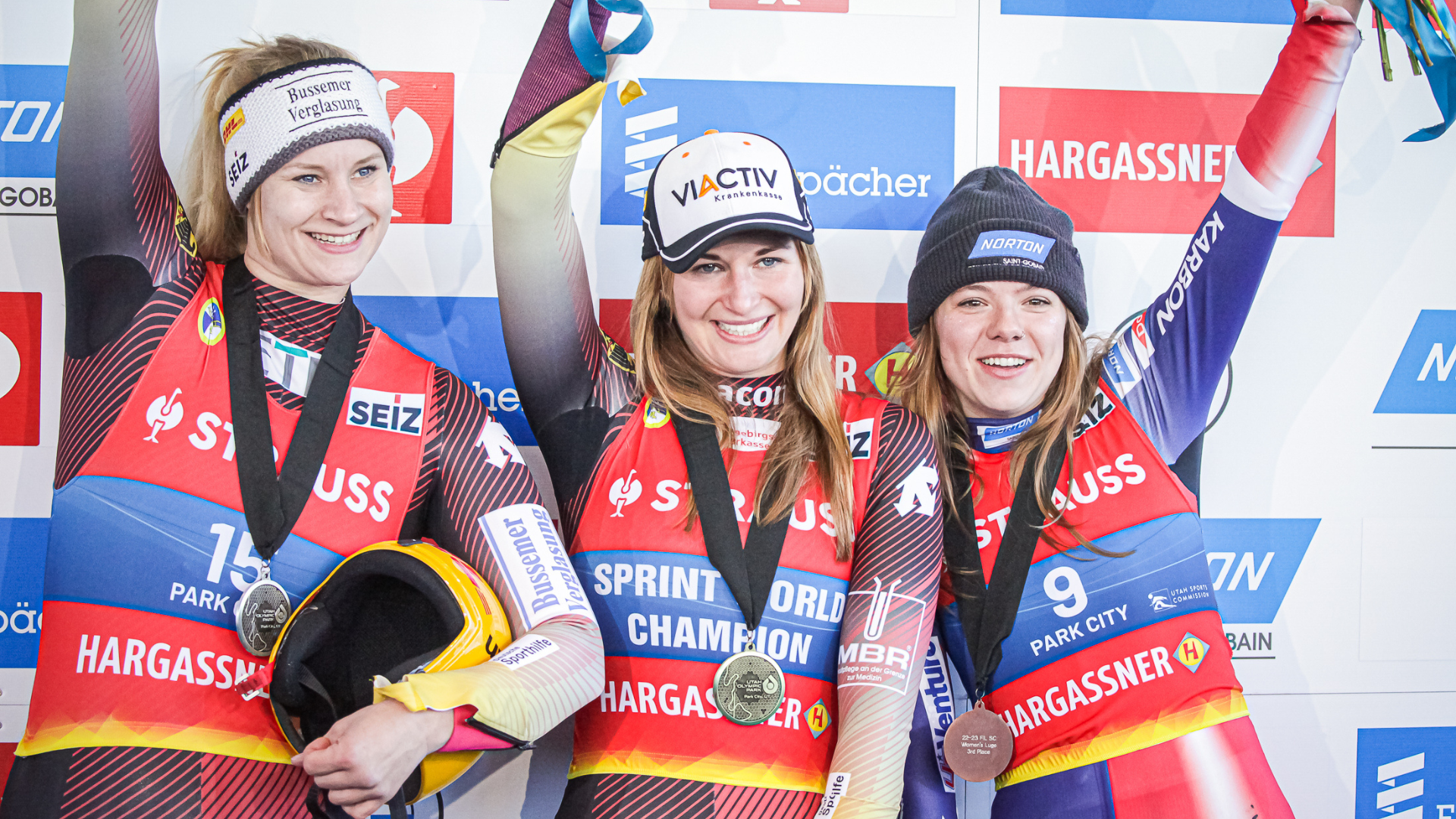
When people think about what it means to be an Olympian, they often picture medals, national flags, and fierce competition. Those moments matter—but after hosting both the Speedskating World Cup and the Luge World Cup at Utah Olympic Legacy Foundation venues, we were reminded that another value sits just as firmly at the heart of the Olympic movement: friendship.
Over the course of these events, athletes from all over the world came together in Utah—representing different countries, cultures, languages, and lived experiences. On the ice and the track, they competed at the highest level. Off the ice, something equally powerful unfolded. We watched athletes laugh together, cheer for one another, trade pins, share meals, and reconnect with friends they’ve made through years of international competition.
At the Utah Olympic Oval and Utah Olympic Park, the venues weren’t just competition spaces—they became meeting places. Athletes who might face each other as rivals in one race were encouraging one another the next. Conversations crossed borders effortlessly. A nod of respect at the finish line, a shared smile in the warm-up area, or athletes from different nations celebrating personal bests together reminded us that sport has a unique way of breaking down barriers.
In a world that often feels deeply divided—politically, culturally, and socially—those moments matter. They show us what’s possible when people meet each other first as humans, not headlines. The friendships formed through sport aren’t about ignoring differences; they’re about recognizing them and choosing connection anyway.
This is especially meaningful at events like World Cups, where athletes return season after season. Many of them grow up together on the international circuit. They witness each other’s injuries, setbacks, breakthroughs, and victories. These shared experiences create bonds that last well beyond a single competition—and sometimes well beyond their athletic careers.
At the Utah Olympic Legacy Foundation, we see this as part of our mission. Our venues exist not only to train champions, but to foster community, understanding, and shared experience. When we host international events, Utah becomes a gathering place for the world—a reminder of what the Olympic values look like in action.
Being an Olympian isn’t just about standing on a podium. It’s about standing alongside others, even when you’re competing against them. It’s about respect, empathy, and friendship forged through shared pursuit and mutual admiration.
As we look ahead toward future World Cups—and toward 2034—we carry this lesson with us. In moments when division feels loud, the friendships we witnessed on the ice and the track speak just as loudly. They remind us that sport can still bring the world together, one race, one handshake, and one shared moment at a time.