Why Legacy Matters: How Utah’s Olympic Story Continues to Grow
News
October 10, 2025
When Salt Lake City hosted the Winter Olympic Games in 2002, it did more than put Utah on the world stage. It transformed how we saw ourselves as a state. Those seventeen days of competition and celebration ignited a legacy of community, progress, and pride that continues to shape Utah’s future.
Now, with Salt Lake City named the preferred host for the 2034 Winter Olympic Games, the story comes full circle. The investments made more than twenty years ago continue to deliver benefits to our people, our economy, and our shared identity. As we prepare to welcome the world again, it is worth remembering how much Utah gained from 2002—and why the legacy still matters.
A Spirit of Community Pride
Perhaps the most lasting gift of the 2002 Games was the unity it created among Utahns and across the United States. Coming just months after 9/11, the nation was still healing — and Utah became a beacon of hope. Residents filled the stands, purchased forty percent of all Olympic tickets, and volunteered by the tens of thousands. The atmosphere was electric. People from every corner of the state came together to show the world what Utah hospitality and American resilience truly meant.
That same spirit still defines us today. From youth sports programs to family events at our Olympic venues, the pride born in 2002 continues to inspire new generations. Utahns and Americans alike proved that when our communities come together — even in the face of uncertainty — we can accomplish something extraordinary.
Infrastructure That Built a Foundation
The 2002 Olympics accelerated infrastructure growth that would have taken decades under normal circumstances. From the expansion of I-15 and I-80 to the construction of new world-class venues, the Games helped shape modern Utah.
The Utah Olympic Park, Utah Olympic Oval, and Soldier Hollow Nordic Center were built not only for elite athletes but also for the public. Today, those venues remain vibrant hubs for recreation, training, and events, thanks to the stewardship of the Utah Olympic Legacy Foundation, established after the Games to preserve and maintain them for generations to come.
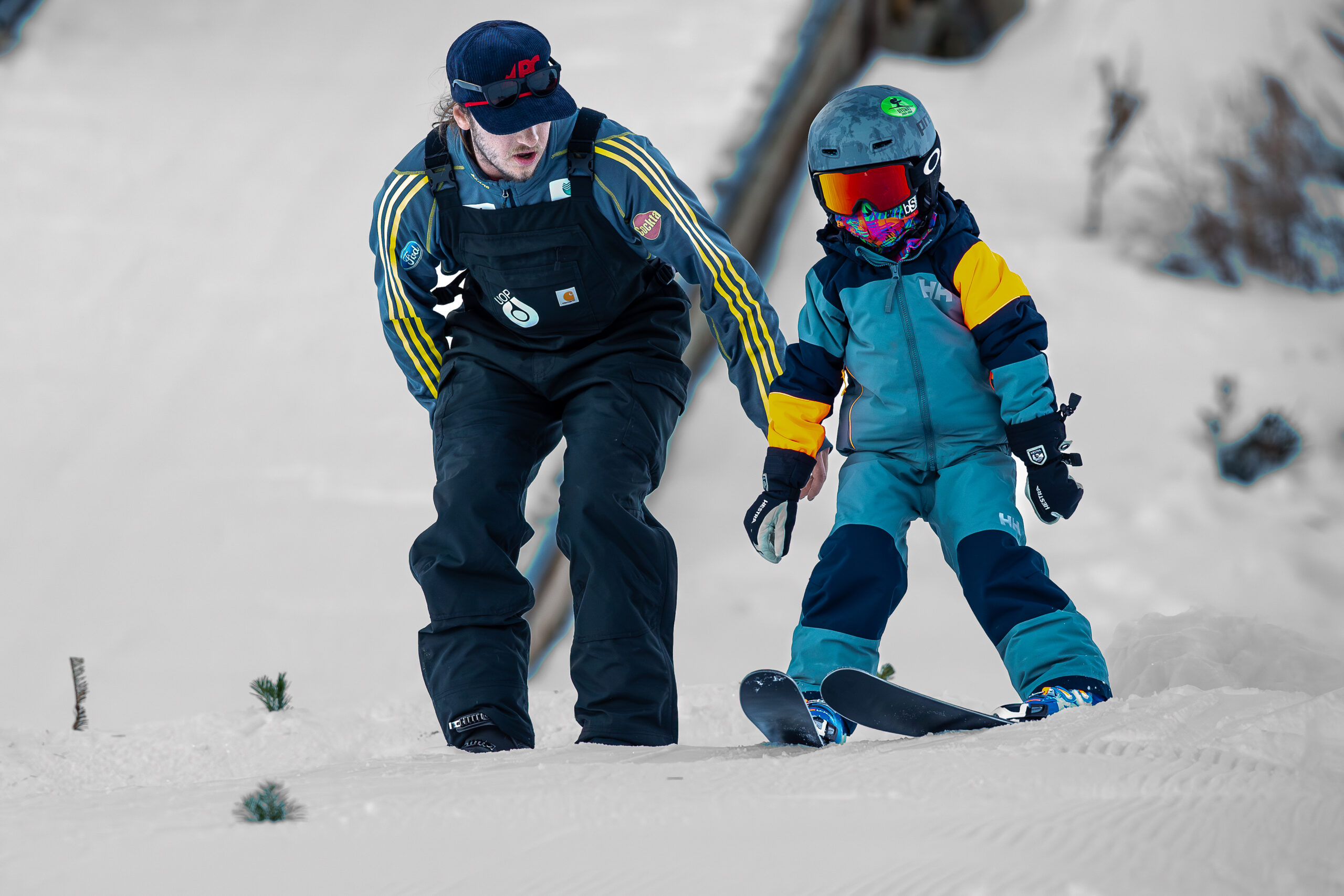
Every time a family skates on the Oval’s ice, a child learns to ski at Soldier Hollow, or a visitor explores the jumps at the Utah Olympic Park, they are experiencing the legacy of 2002 in action.
An Economic Success Story
Hosting the Olympics brought an enormous economic boost to Utah. According to the University of Utah’s Kem C. Gardner Policy Institute, the Games produced over $6.1 billion in total economic output and ended with a $163 million surplus, including $59 million returned to taxpayers.
That kind of success is rare in Olympic history. Careful planning and collaboration between public and private sectors ensured that the benefits of the Games extended well beyond the closing ceremony. Two decades later, those investments continue to generate growth, opportunity, and long-term financial strength.
Global Visibility and Tourism Growth
The world’s attention on Utah during the Games created lasting results. Viewers from around the globe were introduced to Utah’s beauty, hospitality, and adventure. What they saw brought them back again and again.
In the years following the Games, Utah experienced a 43 percent increase in annual skier visits, a 25 percent rise in National Park tourism, and a 59 percent increase in visitor spending. These visitors became lifelong ambassadors for Utah, strengthening both tourism and business development across the state.
A Legacy of Sport and Excellence
The 2002 Games marked the beginning of Utah’s rise as one of the world’s great winter sports capitals. Since then, our state has hosted dozens of major events, including World Cups, Olympic Trials, and national championships across nearly every discipline.
The Utah Sports Commission, created as a direct result of the Games, has continued to attract professional sporting events of all kinds, from traditional winter competitions to events like UFC 278, Supercross, and pro skateboarding championships.
But beyond medals and headlines, the true legacy lies in the everyday athletes who train, compete, and dream in Utah’s Olympic venues. For them, the Games are not a memory; they are a living opportunity to chase excellence.
Creating Jobs and Long-Term Opportunity
The preparation and hosting of the Olympics created thousands of jobs across Utah’s economy. More than 45,000 job-years were generated through construction, event operations, hospitality, and related industries.
Even after the Games concluded, those opportunities continued to grow. The leisure and hospitality industry saw nearly a 50 percent increase in employment, creating long-term stability and growth in outdoor recreation and tourism sectors that remain vital to Utah’s identity and economy.
Looking Forward to 2034
The stage is set once again. With venues already in use, infrastructure in place, and a community that understands what it takes to host the world, Utah is better prepared than any city in modern history to deliver another successful Winter Olympic Games.
The 2034 Games will build on a foundation that has already proven its value—one that was never intended for a single event, but for lasting progress. Hosting again is not about repeating the past. It is about continuing the story, expanding the legacy, and ensuring that future generations can experience the same pride and opportunity that began in 2002.
That is why legacy matters. It is not just about what we built; it is about what we continue to build together.
At the Utah Olympic Legacy Foundation, we are proud to carry this legacy forward. Every athlete, every event, and every child who learns the value of sport adds another chapter to Utah’s Olympic story—one that began in 2002 and will shine even brighter in 2034.
Related Articles
-

News
Utah Olympic Legacy Foundation Announces the Colin Hilton Legacy and Community Care Initiative
Utah Olympic Legacy Foundation Announces the Colin Hilton Legacy and Community Care Initiative...
Read More -
News
Visit Salt Lake Launches Volunteer Hub, Announces New Partnership with UOLF
FOR IMMEDIATE RELEASEMedia contacts: Ryan Mack / Visit Salt Lake / Chief Communications & Experi...
Read More -

News
Team USA Advances to Playoffs at LGT World Men’s Curling Championship After 9–7 Win Over Norway
FOR IMMEDIATE RELEASE Media Contact: Gabby Saunders Communications Manager Utah Olympic Legacy Found...
Read More -

News
Team USA Earns Key Win Over Canada as Semifinal Race Tightens in Ogden
FOR IMMEDIATE RELEASE Media Contact: Gabby Saunders Communications Manager Utah Olympic Legacy Found...
Read More -
News
KSL: Utah testing snow storage technique at Soldier Hollow ahead of 2034 Games
Soldier Hollow Nordic Center recently installed a new snow storage facility to preserve snow until n...
Read More